Industry
Media tech
Company
Globo
Year
2022 - 2024
Designing a multi-branded DS
The Problem
Forty-plus brands, each rebuilding the same components from scratch
Globo ran dozens of brands and products, each with its own design and engineering team, and no shared foundation between them. Teams routinely rebuilt the same components from scratch, and visual inconsistency across brands was significant enough that users would often not be aware that they were at some Globo's website. The problem was both technical and organizational: technically, there was no single source of truth, which meant daily rework, slower delivery, and inconsistency; organizationally, each brand operated within its own scope.
The Process
What I built
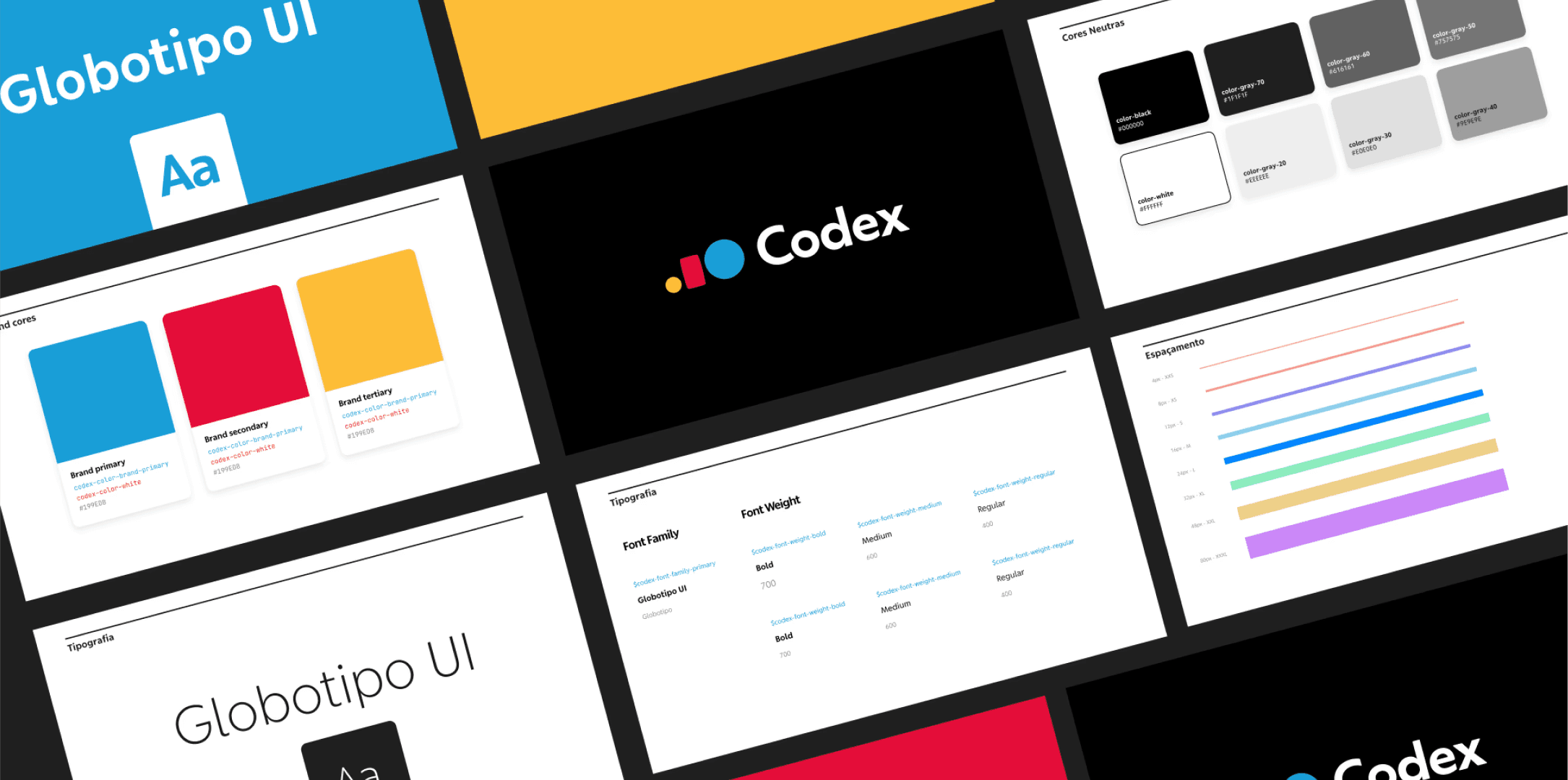
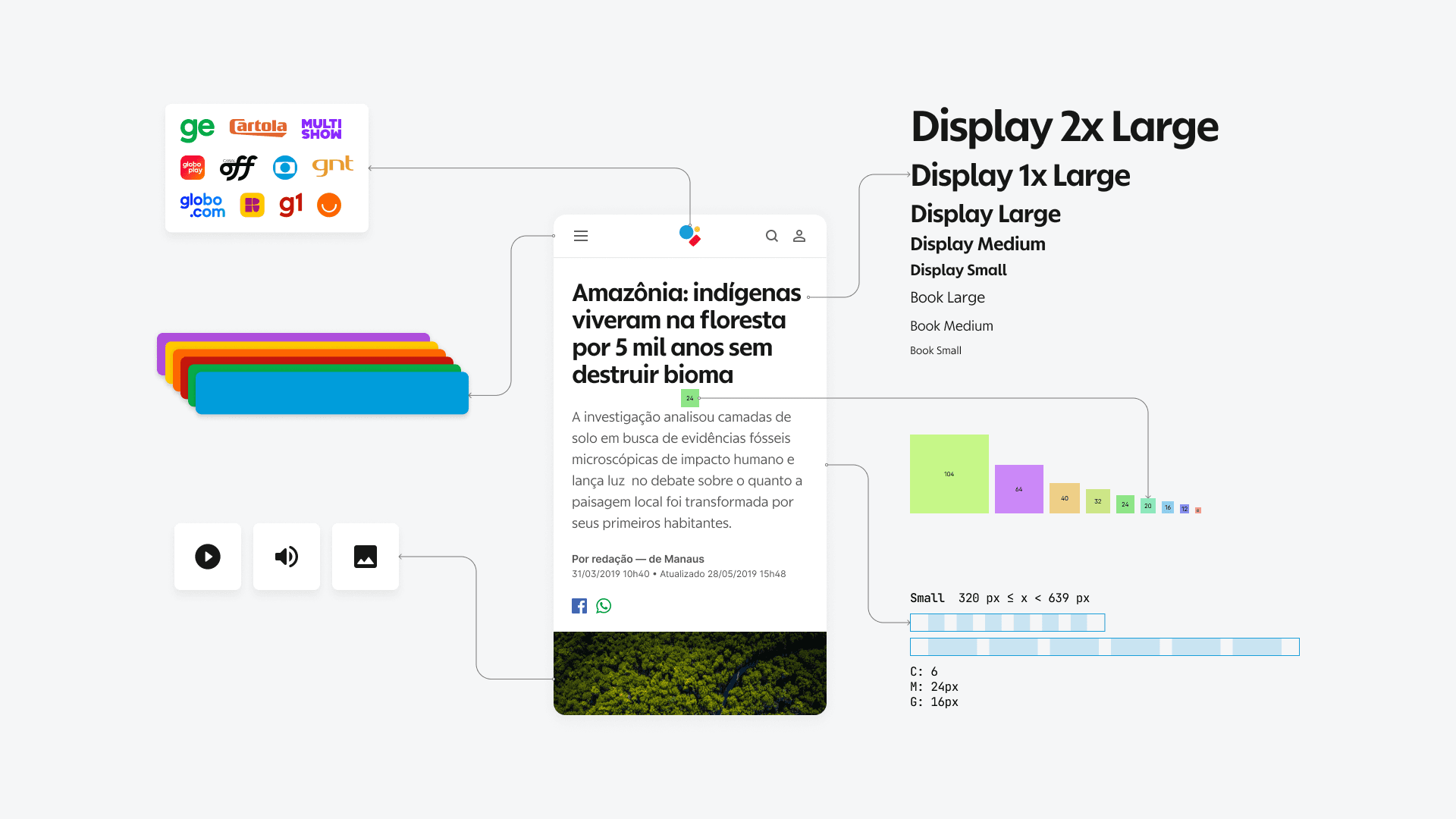
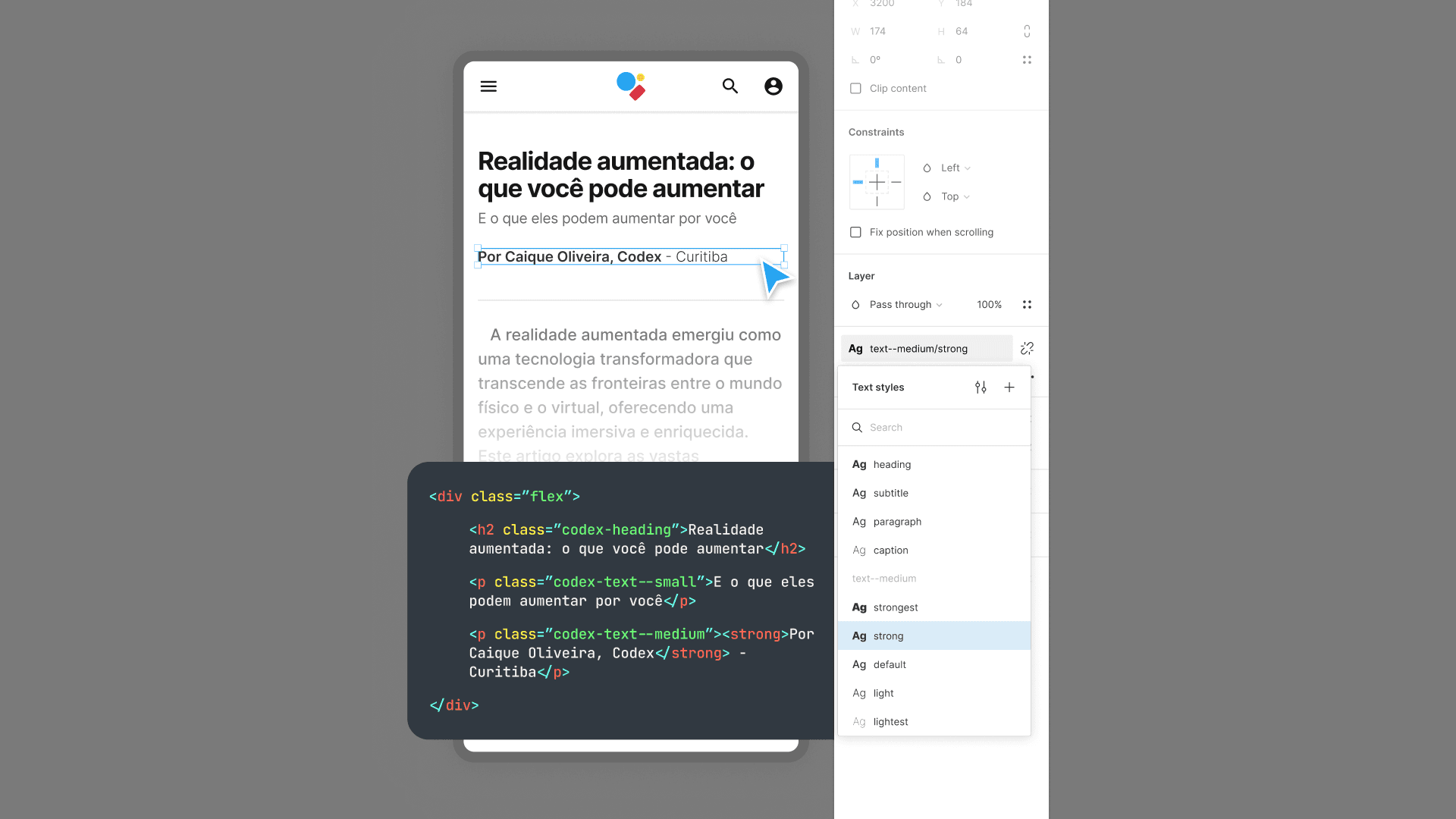
I defined the foundational layers (color, spacing, typography, etc) from scratch, and designed a three-tier token hierarchy to reconcile consistency with the reality of dozens of independent brands: global (base) tokens set the shared foundation, semantic tokens gave those values a direct functional role, and component tokens gave each product near-total freedom to customize at the point where it mattered to them. On top of that I built a component library ranging from simple elements to more systemic pieces like the header, designed with accessibility in mind.

Proving it instead of arguing for it
With no mandate and no budget for a structured research program, telling teams Codex was "better" wasn't going to move anyone. I designed and ran a controlled experiment with developers only: the same task built with and without Codex, to isolate what the system actually saved in practice rather than arguing from aesthetics or theory.
The Results
What the experiment showed
The controlled test found a 25% productivity gain for developers using Codex, measured within a one-to-two-hour build window. This became our quantified evidence for an initiative that otherwise depended entirely on voluntary buy-in, at a company where adoption couldn't be mandated from the top.